Navigating the risks and rewards of high-stakes gambling
Understanding High-Stakes Gambling
High-stakes gambling refers to betting large sums of money in games that often take place in exclusive environments. These settings can range from luxurious casinos to private gaming rooms, where the atmosphere is charged with excitement. The appeal lies in the potential for substantial payouts, which can be life-changing for players who win, especially when considering options like 1win that offer various betting opportunities. However, this allure also comes with significant risks, including the possibility of major financial loss. Therefore, individuals should approach high-stakes gambling with caution and a clear understanding of what’s at stake.
The excitement generated by high-stakes gambling attracts a diverse group of players, including wealthy individuals seeking the thrill of risk. For some, it offers a chance to showcase their wealth and status, while for others, it serves as an escape from everyday life. It’s essential to recognize that high-stakes games often require not just luck but also skill and strategy. Participants must be well-versed in the rules and nuances of the games to increase their chances of success.
Moreover, the high-stakes environment fosters a unique atmosphere that can amplify emotions. Players often find themselves swept up in the excitement and intensity of competition, making it easy to lose track of time and money. This emotional engagement can lead to impulsive decisions, which can exacerbate the risks associated with high-stakes gambling. Therefore, understanding the interplay between the thrill of the game and emotional control is crucial for anyone considering participating in high-stakes gambling.
The Financial Implications of High-Stakes Gambling
Engaging in high-stakes gambling has profound financial implications that can significantly impact an individual’s life. Players need to recognize that the potential for substantial financial gains comes with equal potential for considerable losses. High-stakes gamblers should only wager amounts they can afford to lose, as the financial stakes can escalate quickly in intense gaming scenarios. Failure to adhere to this principle can lead to devastating consequences, including debt and financial instability.
The financial aspects of high-stakes gambling are not limited to direct losses at the table. Players can also encounter costs related to travel, accommodations, and related expenses when attending gaming events, which might further strain their financial situation. The allure of winning can cloud judgment, pushing people to continue placing bets in hopes of recovering losses. This cycle can lead to a pattern of behavior that often only deepens financial woes.

Furthermore, it is essential for high-stakes gamblers to consider the psychological ramifications of their financial choices. The stress of financial loss can lead to anxiety, depression, or strained relationships, forcing gamblers to confront the reality of their decisions beyond the gambling table. Understanding these implications helps reinforce the need for responsible gambling practices and encourages individuals to seek balance in their gaming activities.
The Psychological Risks of High-Stakes Gambling
Participating in high-stakes gambling presents notable psychological risks. The excitement and adrenaline associated with significant bets can create a euphoric feeling that some individuals may find addictive. This addictive behavior can lead to a condition commonly referred to as pathological gambling, where individuals continue to gamble despite adverse consequences. Recognizing the signs of gambling addiction is important for anyone involved in high-stakes gambling to ensure that their gaming does not become detrimental.
The psychological pressure associated with high-stakes environments can exacerbate feelings of competitiveness and urgency. Players may feel compelled to keep gambling, even when it’s not in their best interest. This kind of mindset can lead to poor decision-making, where rational thought is overshadowed by the thrill of the game. Understanding one’s emotional state, especially in high-pressure situations, is vital in mitigating these psychological risks.
Additionally, the social dynamics of high-stakes gambling can influence players’ mental well-being. Gamblers often compete against each other, and the drive to outdo others can intensify stress levels. As individuals experience both highs and lows, it is crucial to maintain a support system that can provide emotional stability. Establishing boundaries for gambling activities and knowing when to take a break can help mitigate these psychological risks, promoting a healthier approach to high-stakes gaming.
Strategies for Responsible High-Stakes Gambling
Engaging in high-stakes gambling requires not only an appreciation for the thrill but also a commitment to responsible practices. One effective strategy is to set clear limits on both time and money before entering the gambling environment. Establishing these boundaries ensures players remain aware of their financial circumstances and avoids impulsive decisions. Additionally, sticking to predetermined budgets can help mitigate the risks of overspending, prioritizing responsible enjoyment over reckless behavior.
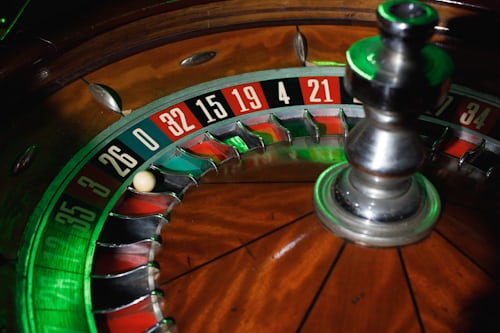
In tandem with setting limits, it is essential to take regular breaks during gambling sessions. The high-pressure atmosphere can lead to fatigue and reduced decision-making capabilities. Incorporating brief pauses allows players to clear their minds and reassess their strategies and emotions. This strategy not only enhances the overall gambling experience but also reduces the chances of making emotionally charged decisions that could lead to financial loss.
Education and preparation also play critical roles in responsible high-stakes gambling. Players should familiarize themselves with the games they intend to play, including various strategies and probabilities involved. Knowledge empowers gamblers, enabling them to make informed decisions that can potentially maximize their winnings while minimizing risks. By prioritizing education and self-awareness, individuals engage in gambling responsibly, enjoying both the social aspects and excitement while keeping risks in check.
Conclusion: Navigating Your High-Stakes Gambling Journey
Navigating the world of high-stakes gambling requires a balanced understanding of the risks and rewards associated with it. While the potential for substantial financial gain is appealing, it is equally important to recognize the psychological and financial pitfalls that accompany such activities. Responsible gambling practices are essential for protecting one’s financial health and maintaining a healthy relationship with gambling.
For those interested in immersing themselves in the high-stakes gambling scene, continuous education and self-awareness must be prioritized. Understanding game mechanics, setting specific limits, and maintaining emotional control are fundamental strategies that contribute to a safer gambling experience. With these tools, players can navigate the complexities of high-stakes gambling with greater confidence and enjoyment.
Whether you are a seasoned gambler or just beginning your journey, being well-informed and strategic will serve you well. Remember that the thrill of the game should never overshadow the importance of responsible practices. Embrace the excitement while being mindful of the risks, allowing you to enjoy high-stakes gambling as a form of entertainment rather than a source of stress or hardship.